
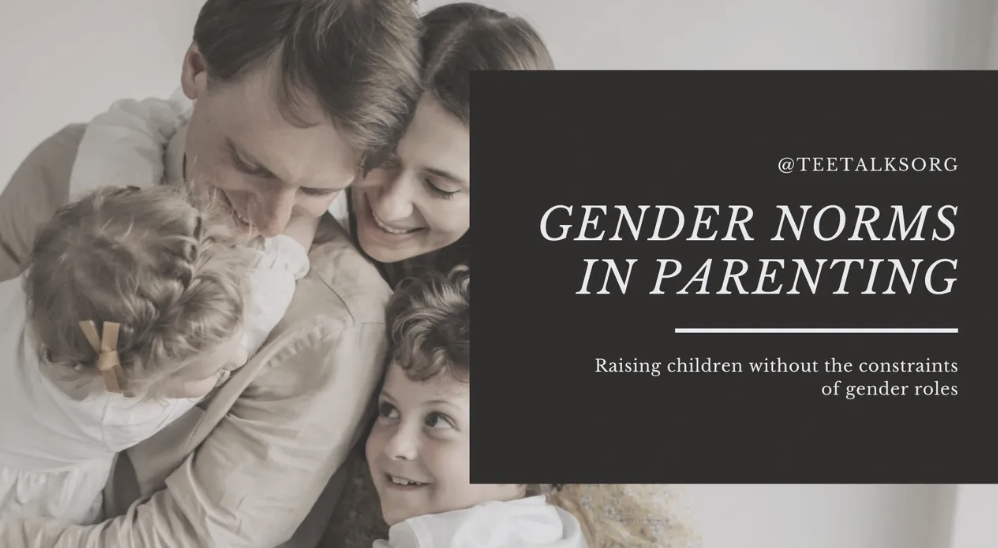
As parents, you often like to think that you’re treating your children equally, but have you ever wondered how your actions might be influenced by subconscious gender norms? Whether we admit it or not, our society has ingrained deep-rooted beliefs about how boys and girls should behave, and these beliefs often spill over into the way you raise our children. These gendered expectations shape the way you interact with your kids, the way you discipline them, and the way you encourage their interests. But the truth is, these societal norms may be doing more harm than good.
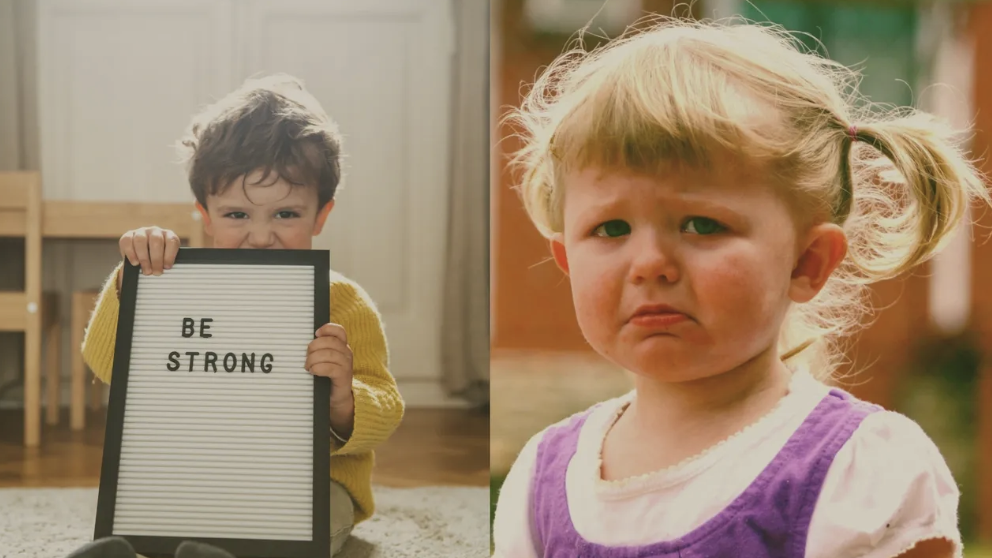
Growing up in India, like most children, I often saw the subtle yet very real ways gender norms shaped my environment. While my parents didn’t overtly teach me that boys and girls are different, I could feel the invisible lines being drawn. Boys were expected to be tough and not show emotions, while girls were expected to be nurturing and soft-spoken. These ideas weren’t just expressed verbally; they were woven into the fabric of everyday life. Kids see these behaviours around them and end up modelling those actions to act gender-normatively. Even as an adult, when I look back, I realize that these unconscious gendered cues shaped how I navigated the world and interacted with others. Boys were encouraged to be more independent and assertive, while girls were raised to be accommodating and self-sacrificial. These subtle gendering practices had long-lasting effects on both of us — but the more I understand about gender roles, the more I see how damaging it can be for children’s emotional development.
Psychologically, gendered expectations create emotional limitations for children. For instance, Boys are often discouraged from showing vulnerability (like crying, expressing sadness, or being afraid), which can lead to emotional suppression as they grow older. Girls, on the other hand, are taught to be accommodating, nurturing, and put others’ needs first, which can lead to people-pleasing behaviours and lack of self-esteem.
In India, gender norms are deeply embedded in the culture, and they heavily influence parenting practices. The idea of ‘good boys’ and ‘good girls’ shapes much of how children are treated, even before they’re born. From the color of their clothing to the toys they play with, everything is gendered in ways that limit their growth. The family unit plays a crucial role in reinforcing these gender norms. Often, the extended family (grandparents, uncles, aunts) will reinforce these ideas. For instance, Grandparents might say things like, “Don’t be too hard on her, she’s a girl,” encouraging gentleness over assertiveness.
A friend of mine grew up modelling emotional suppression. He was discouraged from crying during emotional or difficult times, and was instead urged to be stoic. As a result, he struggled in his adult relationships because he felt unequipped to express vulnerability. He later sought therapy to learn how to express his feelings, and through this process, discovered that he was often unaware of his emotions, having suppressed them for so long.
This is a classic example of how society’s expectations of boys (to be strong and emotionally reserved) have a profound impact on their emotional health and well-being as they grow into adulthood. This works similarly for girls. When they grow up feeling that they as women will always have to put others need above theirs, they may feel guilty prioritizing their own needs. These norms teach children that their worth is tied to specific roles based on their gender, leading to long-term identity confusion, emotional dependence, and socio-emotional limitations.
Although you cannot make societal changes overnight, you can make some changes in how you behave around your children and how you raise them. Begin by fostering independence. Encourage both boys and girls to make decisions for themselves, to explore their interests, and to express their emotions openly. Teach them that emotional vulnerability is strength, not weakness and they can express their emotions without judgement but they can also take space when they would like to process their emotions. As parents, it’s essential that you model the behaviours you want to see in your children. Share household responsibilities, show equal affection, and engage in open conversations about emotions around and with your children. Start by challenging your own biases and examining your parenting practices. Ask yourself, “Am I reinforcing gender stereotypes?” and “How can I create a more emotionally free space for my child?”
Link to a fun experiment that discusses how we reinforce societal stereotypes when we spend time with children even in choosing toys or activities for them: https://youtu.be/nWu44AqF0iI?si=8AVVbp8gW_Gh7jGH This makes you think if we can ourselves change how we act around children and that could discourage traditional gender roles to an extent, allowing children to grow up however they feel comfortable. There is another fun experiment https://waylandbrown.files.wordpress.com/2011/03/x-story.pdf that shows the role of gender in normalizing certain behaviours. Even recognizing these differences and understanding their impact on children’s lives, parents can reduce its harmful consequences on their children.
References:
- Harris, J. R. (1998). “The Nurture Assumption: Why Children Turn Out the Way They Do.”
- Eisenberg, N., & Lennon, R. (1983). “Sex Differences in Empathy and Related Capacities.” Psychological Bulletin.
- Berk, L. E. (2009). “Child Development.” Pearson Education.
- Bowlby, J. (1988). “A Secure Base: Parent-Child Attachment and Healthy Human Development.”